
BLOG
Book Now For Free

The Muay Thai Injury Prevention and Recovery: What Every Competitor ought to learn?
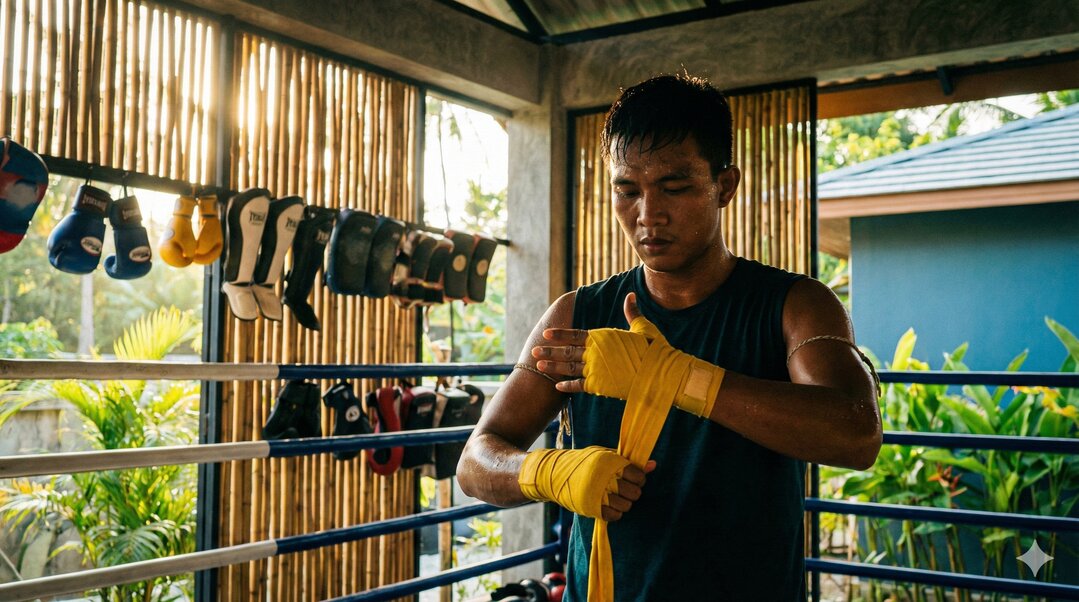
Ask any person who has ever trained in a Muay Thai gym: success does not only lie in what one does at the time of the bell. It has something to do with the responsibility of taking good care of your body before, during, and after each session.
Muay Thai is known to be brutal and violent, and behind the sweat and speed, the longevity is based on the recovery and clever injury avoidance. To become stronger, to train longer, and to remain happier both on and off mats, this is what every athlete must know, really.
Recovery: Why It Is a Muay Thai Necessity and Not a Luxury
There are too many warriors who have the no pain, no gain as a symbol of pride. However, in practice, what is really happening is that you need to take a rest, you need to be restored, and you need to listen to your body.
The muscles are not built in the ring; they are made stronger and strengthened when they are not in use. Any neglect of recovery will welcome fatigue, lingering pain, or putting injuries to the back burner and sidelining oneself just as you are getting warmed up.
A good recovery implies that the muscles will be healed, the joints will be back on track, the mind will be rejuvenated, and the injuries will be prevented. All this is essential to any person who is pursuing objectives in the optimal gym in Koh Phangan. It is not about relaxing, but making the most of the reward of every round you cause your best.
Warming Up and Cooling Down – Your Armour of Defence

Omitting an adequately warm-up workout will increase your chances of strains or sprains. The first thing to do at the start of every session is dynamic movements: skipping, shadowboxing, light mobility exercises, etc., that energize your entire body and warm up your joints. Pay attention to the knee, ankle, shoulder, and hip mobility since this is the part that suffers the most in Muay Thai.
Nor is your cool-down less. Light jogging, deep stretching, and breathing exercises get your body out of complete power and into rest and clear of lactic acid, and prepare it to repair. The golden ingredient to injury prevention is consistency.
Strength, Stability, and Flexibility: Development of the Foundations

Evolve Koh Phangan has smart athletes who combine specific stability training and strength training outside of the Muay Thai training sessions. The strength of bodyweight exercises, resistance training, and routines that target the core of the body will ensure your muscles are strong and your joints are not subjected to harsh shock. Flexibility is another thing to consider, as frequent stretching enhances the level of mobility and prevents tears when falling down or performing an unusual movement.
Balance exercises, agility ladders, or working on one leg to ensure you are in control of your movements, especially when you become tired, or when shock causes, or when you miss a block, and nearly roll over, are your backup.
A Technique of Toughness, Not Only of Training
Poor practice is a quick way to unwarranted harm. The right kicking, punching, and clinching techniques are to be prioritized, even at the cost of going slower. This way, you are protected against hypertension, sprains, and unintentional hits.
The best gyms, such as the best Muay Thai gym in Koh Phangan, have coaches who align you, instruct on the progression as well, and never place any drills on your body that it is not ready to perform.
It can be the difference between an innocent miss and a sore muscle to be a foolhardy method of learning to maneuver the defense and learn to flow with the attack instead of trying to resist it brute-force.
Considering Respect, Sleep, and Active Recovery
You can’t always push. Rest days help to make any hard practice more productive. Your best weapon is sleep; 7-9 hours to allow a hormonal, muscle, and brain recharge. Active recovery: Cycling, yoga, swimming, or even walking are activities that drag lactic acid out of muscles and make the mind feel fresh.
When you train hard, one of the changes that may transform your life is a power nap between sessions so that you can prevent overuse aches and fatigue on the next day.
The place of Nutrition and Hydration
Make food another injury prevention weapon. Low-fat and lean proteins, complex carbohydrates, greens, and healthy fats help in healing faster and countering fatigue. The part of hydration should never be underestimated; water before, during, and after training aids muscle activity, decreases the risk of cramps, and decreases the delayed-onset soreness. Electrolyte liquids come in handy when it is unusually hot and physically demanding.
Timing matters too. Consuming a healthy snack within 30-60 minutes post-training: a smoothie, yogurt, or rice bowl will prime the process of muscle repair and energy replacement.
Massage, Therapy, and Pro Tools

Massages, foam rolling, or physiotherapy. Every day sports practice prevents chronic soreness, tightness, and imbalance. These extras should not be taken as a luxury; they belong to an active programme in virtually all leading Muay Thai gyms in Koh Phangan.
In case of bumps and bruises, ice packs or hot/cold alternating showers decrease the swelling and promote blood circulation. Such little gestures are what would be the difference between a week off and another good session tomorrow.
Housekeeping, Self-awareness, and Listening to Pain
One of the most frequently neglected factors of injury prevention is the mindset. When athletes observe the first symptoms, tight calves, a sore wrist, abnormal fatigue, etc., they overcome the greater evil by consulting someone or resting.
Do not hesitate to approach those who coach you, and always be safe rather than sorry. The warriors who train for years and not weeks, understand when to work hard and when to relax.
Gym Community Culture – Your Secret Weapon
The Evolve Koh Phangan culture is the culture of first-ply smart recovery. Coaches visit athletes, classmates monitor possible danger indicators, and recovery programs are included in classes.
The importance of the activity you do between rounds, be it stretching, icing, rehydrating with coconut water, or joking with teammates, is just as important to your success long term as your best hitting combo.
Injury Happens – What Now?
In spite of precautions, injuries may still take place. Unlucky, use the RICE method: Rest, Ice, Compression, and Elevation to use in case of minor sprains or knocks. Serious injuries must be checked by a professional- not allowed back on the field.
After receiving the green light from the doctor, consult with rehab experts who are aware of the requirements of Muay Thai. Load, reintegrate gradually, and retrain the technique.
Long-Term Mastery – The Nurturance of Patience and Perspective
The journey of the amateur to the professional Nak Muay is long. The true secret of the strongest, most lasting athletes on the island is to remain disciplined and recover. You have the ambition to compete or you simply want to be fit and injury-free, recovery rituals make intensity the lifelong freedom, both inside the ring and beyond.
FAQs
1. What do novice Muay Thai students do the most when it comes to injury prevention?
Failure to warm up adequately and lack of day off training are both factors that promote muscle strains and burnout.
2. Is there any recovery provision available in Evolve Koh Phangan for fighters?
Yes. The gym will include the cool-down exercises, flexibility classes, and provide guidance on massage, hydration, and healthy nutrition.
3. What is the way of knowing whether to train in the presence of pain or rest?
Acute or recurrent, or aggravating pains are at all times indications to take a rest or see an expert. Share freely with coaches to get individual instructions.
4. Do Muay Thai athletes require any supplements to recover?
A balanced diet is normally sufficient, but occasionally protein, electrolytes, and other specific supplements are used by some athletes- never take anything without consulting a coach or a nutritionist.
9
December 2025
Post By Admin
